NSW Cracks Down on Underquoting: What the Proposed New Laws Mean for Real Estate Agents.
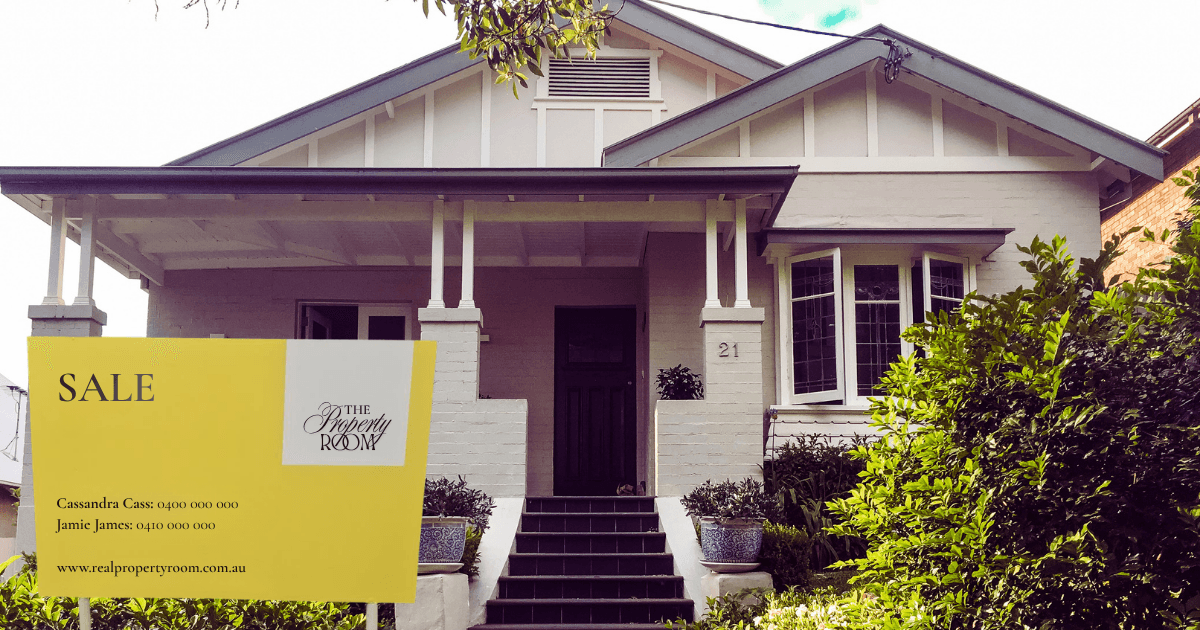
The NSW Government has announced major new laws targeting underquoting in the property market, with significantly higher penalties and new transparency requirements for agents.
The proposed reforms, released by the Minister for Better Regulation and Fair Trading on the 15th March 2026, are designed to strengthen consumer confidence in the property market and reduce misleading price guides in property advertising.
For real estate professionals, the changes could introduce new compliance obligations and tougher consequences for breaches.
Here is a practical breakdown of what the reforms propose and what agents should start paying attention to.
Why the Government Is Targeting Underquoting
Underquoting occurs when a property is advertised at a price guide that is significantly lower than the price the seller is actually willing to accept.
It has long been a controversial issue in property markets, particularly in competitive housing conditions where buyers rely heavily on advertised price guides when deciding whether to inspect or bid on a property.
The NSW Government says the reforms aim to create a fairer and more transparent property market, ensuring buyers are not misled by unrealistic price estimates.
The Key Changes Proposed
The legislation, expected to be introduced to Parliament this week, includes several measures designed to improve transparency and strengthen enforcement.
1. Much Higher Penalties for Underquoting
One of the most significant changes is a sharp increase in penalties. Under the proposal:
penalties for underquoting would increase from $22,000 to $110,000
alternatively, penalties could be three times the agent’s commission, whichever is greater
The goal is to remove the financial incentive for agents who may treat existing penalties as a cost of doing business.
2. Stronger Penalties for Dummy Bidding
Dummy bidding at auctions will also attract heavier penalties. The maximum fine would increase from: $55,000 → $110,000
This measure is designed to strengthen integrity and transparency in the auction process.
3. Mandatory Price Guides on Property Advertising
Under the proposed reforms, all property advertising would need to include a price or price guide. This change aims to ensure buyers can quickly determine whether a property sits within their budget before attending inspections or auctions.
4. Mandatory Statement of Information (SOI)
Agents would also be required to publish a Statement of Information (SOI) for properties. The SOI would explain how the price estimate was calculated, including:
comparable recent sales
the suburb’s median sale price
other relevant market data
The aim is to provide buyers with more context around the price guide and how it was determined.
5. Clearer Rules for Price Estimates
The proposed legislation would also require agents to calculate and revise the estimated selling price according to clearer guidelines.
This includes ensuring that price estimates reflect current market conditions and available information.
6. New Restrictions on Advertising Price Guides
Another key change would prevent agents from advertising a price guide that is lower than either:
a previously rejected written offer
the highest unsuccessful bid at auction
This measure is designed to prevent situations where advertising prices are updated slowly or fail to reflect actual buyer interest.
Expanded Powers for NSW Fair Trading
The reforms also strengthen the enforcement powers of NSW Fair Trading. Under the proposal, regulators may be able to:
require agents to publicly disclose misconduct
require price estimates to be independently verified by a qualified valuer
take stronger disciplinary action for serious breaches
These powers are intended to act as a stronger deterrent against misleading pricing practices.
Changes to Professional Training Requirements
The reforms also include changes to the continuing professional development (CPD) framework for real estate professionals. The proposal would give NSW Fair Trading formal powers to:
approve CPD training providers
approve CPD training courses
issue penalties where agents fail to complete required training
This move signals an increased focus on professional standards and ongoing education within the industry.
What This Means for Real Estate Agents
While the legislation is still proposed and has not yet passed Parliament, the direction is clear. If introduced in its current form, the reforms would:
significantly increase compliance risk for underquoting
introduce new transparency requirements for pricing
expand regulatory oversight of the industry
place greater emphasis on training and professional standards
For agents and Licensees in Charge, this means ensuring that pricing practices, documentation and marketing processes are robust and well supported by evidence.
A Continued Focus on Market Transparency
The NSW Government has stated that the goal of the reforms is simple: a fair property market that works for everyone.
Underquoting has long been a point of frustration for buyers and regulators, and the proposed legislation represents one of the most significant enforcement shifts in recent years.
If the reforms pass Parliament, agents can expect greater scrutiny of pricing practices and stronger enforcement action where breaches occur.
Supporting Professional Standards in the Industry
As the regulatory environment evolves, staying informed and maintaining strong professional practices will become increasingly important.
For real estate professionals, this means continuing to build transparent pricing processes, clear documentation and strong compliance practices within their agencies.
This article provides general information only and should not be relied on as legal advice.
